
Quick Take: Buying acreage in Kootenai County offers opportunities for privacy, additional space, and a more independent North Idaho lifestyle. Before purchasing, verify legal access, zoning, water availability, septic feasibility, and development costs. These factors can determine whether a beautiful piece of land will actually support your plans.
What should you check before buying rural land in Kootenai County?
Start by confirming that the property has legal access, an appropriate water source, suitable septic conditions, and zoning that permits your intended use. Never assume that a parcel is buildable simply because nearby properties have homes.
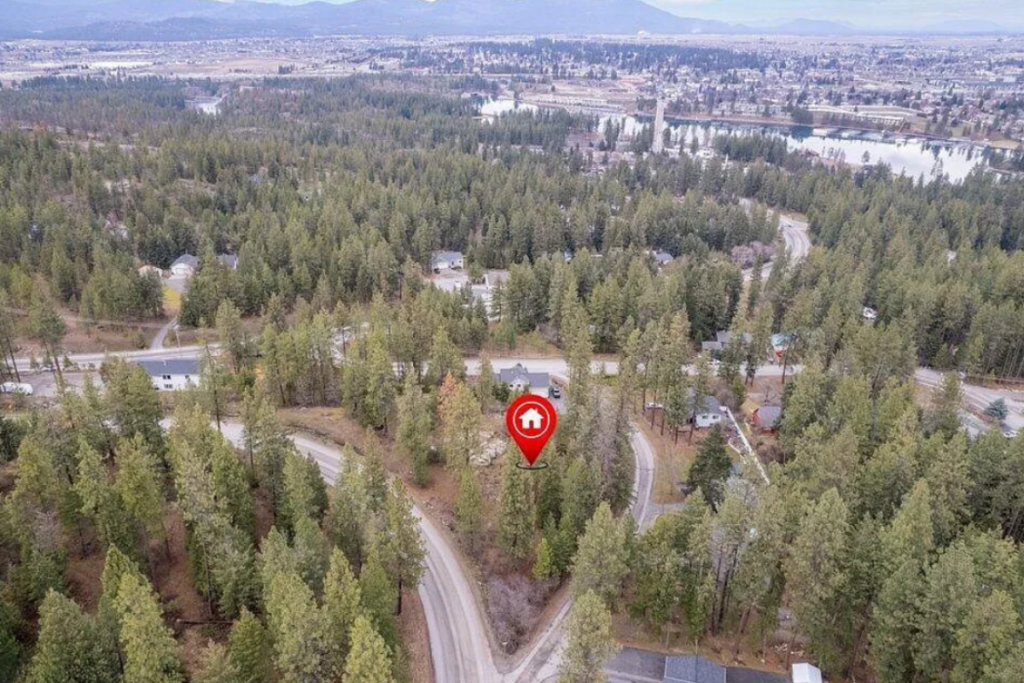
If you’re considering buying acreage in Kootenai County, it’s easy to fall in love with mountain views, wooded privacy, and the freedom of having room to spread out. Whether you’re looking near Rathdrum, Athol, Post Falls, or outside Coeur d’Alene, rural properties require a different approach than traditional residential homes.
As a North Idaho Realtor with Solid Ground Real Estate, Janna McRoy helps buyers look beyond the scenery and understand the practical details that can affect their investment.
1. Confirm Zoning and Land-Use Restrictions
Before purchasing rural property, determine exactly what you can do with it.
Are you planning to build a custom home, add a workshop, keep livestock, or eventually divide the property? Your intended use needs to align with local zoning regulations and any recorded restrictions.
Review the parcel’s zoning with Kootenai County and ask about building setbacks, accessory structures, and applicable land-use requirements. Also examine any recorded covenants or restrictions.
Don’t assume acreage automatically gives you unlimited development options.
2. Verify Legal Access and Year-Round Road Conditions
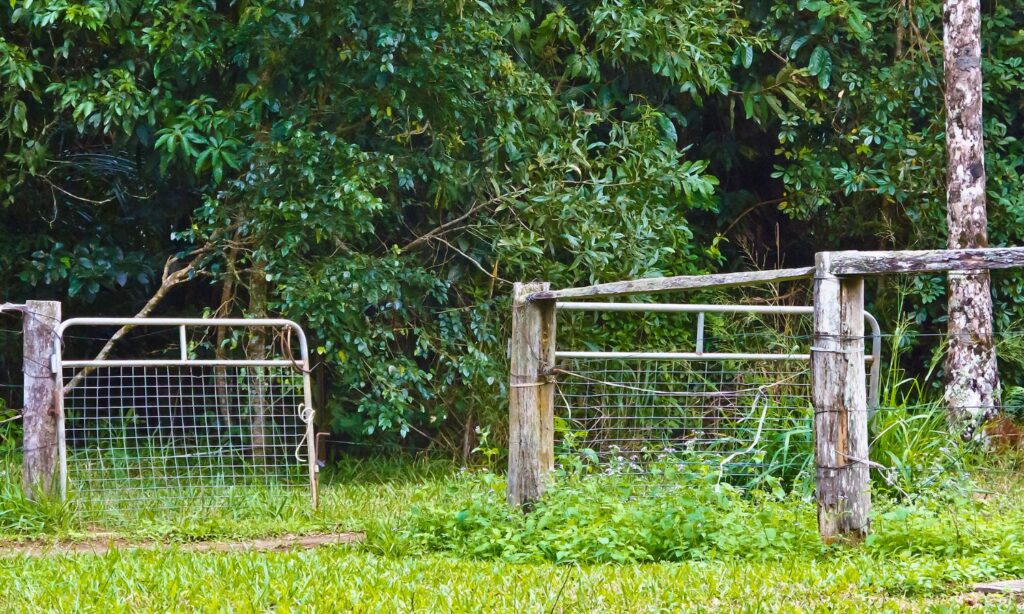
A property might have a beautiful driveway or an established dirt road, but that doesn’t necessarily mean it has legally documented access.
Before making a purchase, investigate:
- Recorded easements and legal access from a public road.
- Road maintenance agreements and shared maintenance costs.
- Winter accessibility, snow removal, and emergency vehicle access.
- Driveway construction requirements for undeveloped parcels.
North Idaho winters make year-round access particularly important. A road that’s easy to navigate in July may present additional challenges in January.
3. Investigate Wells and Water Rights
Water availability is one of the most important considerations when buying land in North Idaho.
If the property has an existing well, request its drilling records and arrange appropriate inspections and water-quality testing. If you’re purchasing vacant land, investigate the feasibility and potential expense of drilling a new well.
The Idaho Department of Water Resources maintains well construction records, including available information about depth, water levels, and reported flow rates. Nearby well records provide useful background but cannot guarantee results on your property.
If you plan to irrigate substantial acreage or pursue agricultural uses, investigate the applicable water rights and restrictions. Idaho’s domestic water-use exemptions were revised in 2025 and 2026, so verify current requirements for your particular plans.
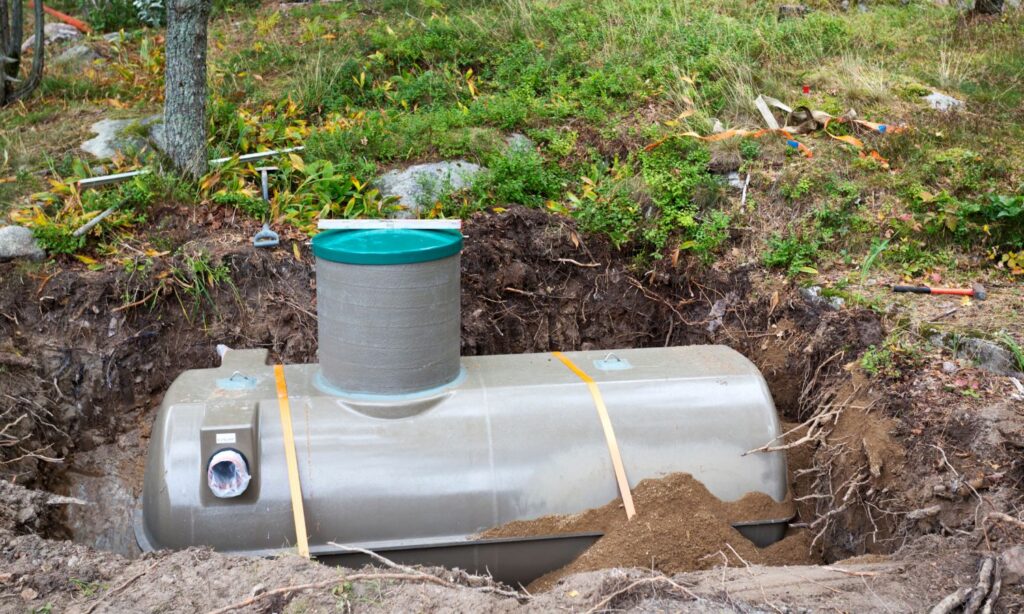
4. Check Septic Feasibility Before Buying Acreage in Kootenai County
Not every rural parcel is suitable for a conventional septic system.
Soil conditions, groundwater levels, slopes, nearby wells, and the proposed home location can influence septic design and approval.
The Panhandle Health District issues septic permits in Kootenai County and offers site evaluations and septic records. A preliminary evaluation can help you understand potential limitations, but it does not replace an approved septic permit.
If you’re purchasing vacant land, consider making your offer contingent on satisfactory septic feasibility and other essential investigations.
5. Understand the True Cost of Developing Rural Land
The purchase price is only one part of your investment.
Depending on the parcel, you may need to budget for driveway construction, grading, electricity, well drilling, septic installation, drainage improvements, and building permits.
Properties with steep terrain, extensive timber, or significant distances from existing utilities may require additional preparation.
Before finalizing your purchase, obtain estimates from qualified professionals and speak with your lender about financing requirements for vacant land or construction.
6. Consider Your Long-Term Plans
Think beyond how you intend to use the property today.
Will you eventually want a detached garage, additional living space, a garden, or room for recreational equipment? Could changes in your lifestyle make a long driveway or extensive property maintenance less desirable?
Also review floodplain information through the FEMA Flood Map Service Center and investigate drainage, terrain, and other site-specific conditions.
The right rural property should accommodate both your immediate needs and your long-term goals.
Your Next Step Toward North Idaho Acreage
Buying acreage in Kootenai County can be an exciting opportunity, but successful purchases begin with thorough research.
Whether you’re searching for an established rural home or undeveloped land, understanding access, water, septic systems, zoning, and development expenses helps you make an informed decision.
Ready to explore your options?
Download the free Homebuyer’s Guide or connect with Janna McRoy at Solid Ground Real Estate to discuss your goals for buying acreage in Kootenai County.