

Quick Take: Choosing a top Realtor in Post Falls isn’t simply about finding the agent with the most signs around town. You want a local real estate professional who understands current Post Falls pricing, knows how to position your property against competing homes, has a clear marketing and negotiation strategy, and can explain exactly how they’ll help you reach your selling goals.
How do you choose the best Realtor to sell your home in Post Falls?
Look for proven local market knowledge, a pricing strategy backed by recent comparable sales, professional marketing, strong communication, negotiation experience, and a clear plan for your specific property. Interviewing an agent should help you understand not only what they think your home is worth, but why they recommend a particular strategy for getting it sold.
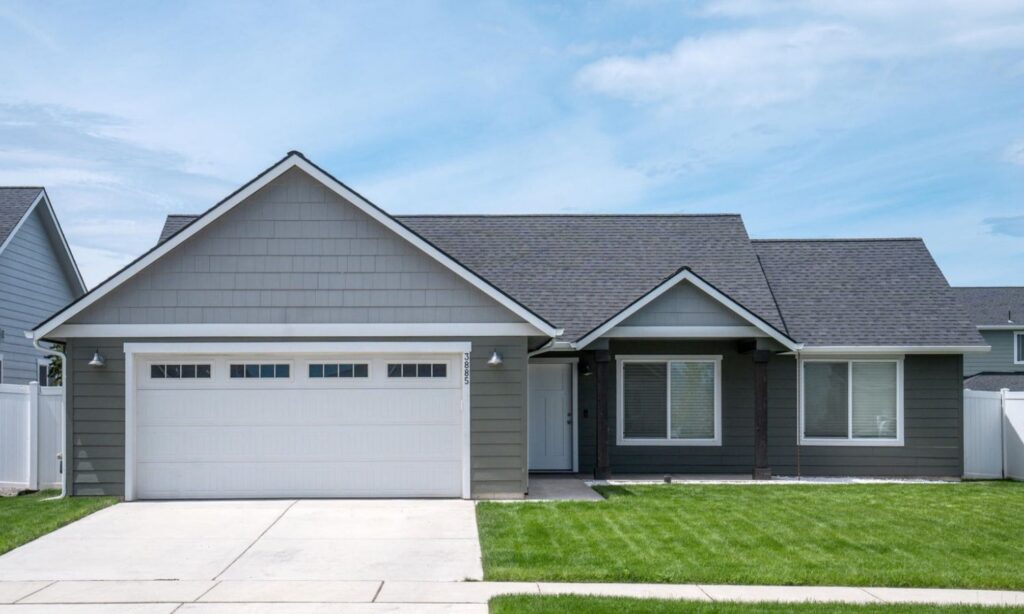
Selling a home in Post Falls in 2026 requires more than putting your property on the market and waiting for an offer. Buyers have access to extensive listing information before they ever schedule a showing, which means your pricing, presentation, photography, marketing, and positioning matter from day one. If you’re looking for a top Realtor in Post Falls, your goal should be to find an agent who understands both the numbers and the nuances of selling in North Idaho.
That distinction matters because your choice of listing agent can influence virtually every stage of the transaction—from determining your initial asking price to marketing the property, evaluating offers, negotiating terms, and navigating the transaction through closing.
Why Choosing a Top Realtor in Post Falls Matters in 2026
Post Falls isn’t one uniform real estate market.
A home’s value and selling strategy can vary depending on location, property type, lot size, age, condition, improvements, competing inventory, buyer demand, and recent comparable sales. Even homes that appear similar online can compete very differently once you examine their individual characteristics.
That’s why national housing headlines aren’t enough when you’re deciding how to sell your Post Falls home.
Current market data illustrates the importance of looking closely at the numbers. As of August 2026, Realtor.com’s Post Falls market overview reports a median listing price of approximately $593,500, while its median sold-price measure is approximately $579,057. It also reports 427 active listings and a median 34 days on market.
Another source may calculate the market differently. Redfin reports a median Post Falls sale price of approximately $519,740 for the three months ending July 2026, up 5.2% year over year, with homes selling in approximately 15 days on average.
Those differences are a useful reminder: one online statistic doesn’t determine what your house is worth.
Different platforms use different datasets, property mixes, time periods, and methodologies. A knowledgeable Post Falls Realtor should be able to move beyond a citywide median and evaluate the recent sales and current competition that are actually relevant to your property.
1. Start With Local Market Knowledge, Not a Sales Pitch

One of the first questions to ask a potential listing agent is:
“How would you describe the market for a home like mine right now?”
Pay attention to how specific the answer is.
A strong agent shouldn’t have to rely entirely on broad statements like “the market is good” or “buyers are still buying.” You want someone who can discuss what buyers are doing at your approximate price point and how comparable properties are performing.
That may include:
- Recent comparable sales and pending properties
- Current competing listings
- Pricing patterns
- Typical days on market
- Price reductions
- Property condition and presentation
- Features that could affect buyer demand
- Your desired selling timeline
Freddie Mac specifically recommends choosing a listing agent familiar with your local area because that knowledge can help the agent price your property confidently and communicate relevant information to prospective buyers.
That’s particularly important in North Idaho, where seemingly small differences between properties can affect how buyers perceive value.
2. Ask the Realtor to Explain Their Pricing Strategy

One of the easiest ways to compare real estate agents is to listen to how they talk about price.
Be cautious about automatically choosing the agent who gives you the highest suggested list price.
A high number can sound attractive during a listing presentation, but the important question is whether market evidence supports it.
Ask:
“Show me the comparable properties you’re using and explain how you arrived at this price.”
Your agent should be able to walk you through the reasoning.
Freddie Mac recommends evaluating comparable homes with similar square footage, lot size, updates, and amenities and looking closely at recent market activity. It also notes that sellers can request competitive market analyses from multiple agents when evaluating potential listing strategies.
Your pricing strategy should account for more than what the house next door sold for six months ago.
It should consider what buyers can choose today.
Imagine your property enters the market at $625,000. A buyer searching between $575,000 and $650,000 may compare it against several other Post Falls homes.
Your real competition isn’t necessarily your neighbor’s house.
It’s whatever else that buyer can purchase.
A top Realtor in Post Falls should understand that distinction.
3. Look for a Complete Marketing Strategy
Putting a property into the MLS is important, but it isn’t the entire marketing strategy.
Ask each Realtor:
“What exactly happens between the day I hire you and the day my home goes live?”
The answer should be detailed.
Your agent should be thinking about how the property will be prepared, positioned, photographed, described, launched, distributed, and presented to buyers.
Freddie Mac describes a listing agent’s responsibilities as including a market analysis, selling strategy, preparation guidance, MLS listing, marketing, showings, negotiations, and transaction paperwork.
According to the National Association of REALTORS®, sellers continue to place considerable importance on these services. In its 2025 Profile of Home Buyers and Sellers, NAR reported that 91% of sellers used an agent. Sellers’ priorities included marketing their homes to potential buyers, pricing competitively, and selling within their desired timeframe.
Those are good criteria for your own Realtor search.
Marketing isn’t about doing everything possible.
It’s about doing the right things for your property and intended buyer.
4. Evaluate How the Agent Will Position Your Home Online

Today’s listing often gets its first showing on a phone screen.
Before buyers walk through your front door, they’re evaluating the photos, price, property details, location, description, and competing listings online.
That means presentation deserves serious attention.
Ask a prospective listing agent what they recommend doing before photography. Ask how they decide which improvements are worthwhile and which ones probably won’t produce enough benefit to justify the cost.
A seasoned real estate agent should help you prioritize.
You may need to declutter and simplify.
You may need a few strategic cosmetic updates.
Or your home may already be ready for the market.
The answer should depend on your property, not a generic pre-listing checklist.
Freddie Mac notes that preparation and even relatively modest updates can improve a home’s appeal to buyers, particularly when those buyers first encounter the property online.
5. Ask What Happens If the Home Doesn’t Sell Immediately
This question tells you a lot about an agent:
“If we aren’t getting the response we expect, what will you do?”
Experienced Realtors know that a listing strategy shouldn’t operate on autopilot.
Once your home goes live, the market begins giving you information.
Are buyers clicking on it?
Are they scheduling showings?
What feedback are you receiving?
Are buyers viewing the home but not writing offers?
Are competing homes going pending?
Has new inventory entered the market?
Your Realtor should monitor those signals and communicate what they mean.
That doesn’t mean immediately reducing the price whenever a property doesn’t sell in the first week. It means diagnosing the problem before recommending a response.
Price, condition, presentation, access, marketing, competition, and changing market conditions can all affect performance.
Your agent’s job is to help you separate noise from useful information.
6. Pay Attention to Communication Before You Hire the Agent
Selling your home involves a lot of moving pieces.
Showings.
Feedback.
Offers.
Inspection.
Appraisal.
Deadlines.
Documents.
Closing.
You shouldn’t have to wonder what’s happening throughout the process.
Before choosing a Realtor, establish expectations around communication.
Ask how frequently you’ll receive updates, who you’ll communicate with, and what happens when an urgent issue comes up.
Then evaluate the communication you’ve already experienced.
Did the agent show up prepared?
Did they listen to your priorities?
Did they explain things clearly?
Did they answer questions directly?
Were they comfortable explaining potential challenges rather than telling you only what you wanted to hear?
The listing consultation is often your first opportunity to see how the Realtor will operate once you’ve hired them.
7. Don’t Overlook Negotiation Experience
Marketing gets buyers through the door.
Negotiation helps turn interest into a successful transaction.
And the highest offer isn’t automatically the strongest offer.
Depending on the transaction, your Realtor may need to help you evaluate price alongside financing, contingencies, inspection terms, closing timeline, seller concessions, earnest money, appraisal considerations, and other contractual terms.
Then there may be another negotiation after the inspection.
Your listing agent should be able to explain the tradeoffs without making the decision for you.
That’s an important distinction.
You want an advisor who gives you enough context to make an informed decision—not someone who simply tells you to accept or reject an offer.
8. Ask About Experience Beyond the Number of Homes Sold

Transaction volume can be useful information, but it shouldn’t be the only thing you consider.
Instead, dig deeper.
Ask about experience selling homes similar to yours. Ask how the Realtor handles pricing challenges. Ask about a transaction where negotiations became difficult and how they responded.
You can also ask:
“What do you think will be the biggest challenge in selling my property?”
This is one of the most revealing questions you can ask.
You don’t necessarily want the agent who says there won’t be any challenges.
You want the professional who can identify potential obstacles before they become problems and build a strategy accordingly.
9. Make Sure You Understand the Listing Agreement
Before signing, understand what you’re agreeing to.
Review the scope of services, listing term, compensation, marketing plan, cancellation provisions, and other material terms of the agreement. If something isn’t clear, ask.
You should also understand how your home will be marketed and what choices you have regarding exposure.
Industry practices continue to evolve. For example, NAR’s Multiple Listing Options for Sellers policy was designed to give sellers additional marketing choices while requiring appropriate disclosures so sellers can evaluate those options.
The important principle is simple:
You should understand your options before making a decision.
A professional Realtor should be comfortable explaining them.
10. Choose an Advisor, Not Simply Someone Who Can Put Up a Sign
There are plenty of licensed real estate agents.
The harder task is finding the right listing advisor for your home.
When you interview agents, don’t focus only on personality or promises.
Evaluate their process.
Can they explain the market?
Can they defend their pricing recommendation?
Can they show you a clear marketing strategy?
Can they communicate effectively?
Can they negotiate?
Can they tell you what they’ll do if the original plan needs to change?
And perhaps most importantly:
Do you trust them to tell you the truth when the truth isn’t necessarily what you hoped to hear?
That relationship matters.
The National Association of REALTORS® reported that 91% of sellers in its latest annual profile used a real estate agent, while FSBO transactions represented only 5% of sales.
Selling a home is a significant financial transaction. Your Realtor should treat it accordingly.
Why Work With Janna McRoy When Selling in Post Falls?
If you’re researching a top Realtor in Post Falls, experience matters, but so does having someone who approaches your sale strategically.
Janna McRoy is a North Idaho Realtor with Solid Ground Real Estate, real estate investor, and Tom Ferry coach who works with homeowners to make informed decisions about selling, timing, pricing, and positioning their properties.
That means your conversation doesn’t have to start with, “Are you ready to list?”
It can start with:
“What are you trying to accomplish?”
Maybe you’re moving out of North Idaho.
Maybe you’re selling one home and buying another.
Maybe you’re downsizing.
Maybe you’re trying to determine whether selling in 2026 makes financial sense at all.
The right strategy begins with understanding the objective.
From there, Janna can evaluate your property, look at current Post Falls market conditions and comparable sales, and help you build a plan around your goals.
Questions to Ask Before Choosing Your Post Falls Realtor
Before making your final decision, consider asking each agent the same core questions:
- How many homes have you sold in Post Falls or the surrounding North Idaho market?
- What is happening in my specific price range right now?
- Which recent sales are most comparable to my home?
- How would you price my property, and why?
- What should I do to prepare the home before listing?
- What is your marketing strategy?
- How will my property be presented online?
- How often will you communicate with me?
- What happens if we aren’t getting the expected buyer response?
- How do you approach multiple offers, inspections, appraisal issues, and difficult negotiations?
- What costs should I anticipate when selling?
- What would you consider a successful outcome based on my goals?
You aren’t looking for rehearsed answers.
You’re looking for evidence that the agent has a thoughtful, repeatable process and understands your market.
The Bottom Line: Finding a Top Realtor in Post Falls
Choosing a top Realtor in Post Falls comes down to much more than finding someone who can put your property in the MLS. You want an experienced local advisor who understands Post Falls real estate market trends, can price your home based on relevant evidence, markets strategically, communicates clearly, and knows how to negotiate when the stakes are high.
If you’re considering selling your Post Falls home in 2026, your first step doesn’t have to be committing to a listing date. Start by understanding your property’s position in today’s market.
Request your custom home value report to see what your property may be worth, or connect with Janna McRoy to discuss your selling goals and build a strategy for your next move with a top Realtor in Post Falls.