

Quick Take: Is your Post Falls home not selling? Review your price against current competition, make sure your home shows well, and use showing feedback to guide your next move. You control your asking price, but the market determines what buyers are willing to pay—and sometimes a price reduction is exactly what the evidence supports.
Should you lower the price if your Post Falls home isn’t selling?
If comparable homes are selling while yours is being passed over, a price adjustment may be necessary. First, review your listing’s exposure, condition, showing access, and buyer feedback with your agent. Address fixable problems promptly, but don’t use those improvements to postpone a price correction the market supports.
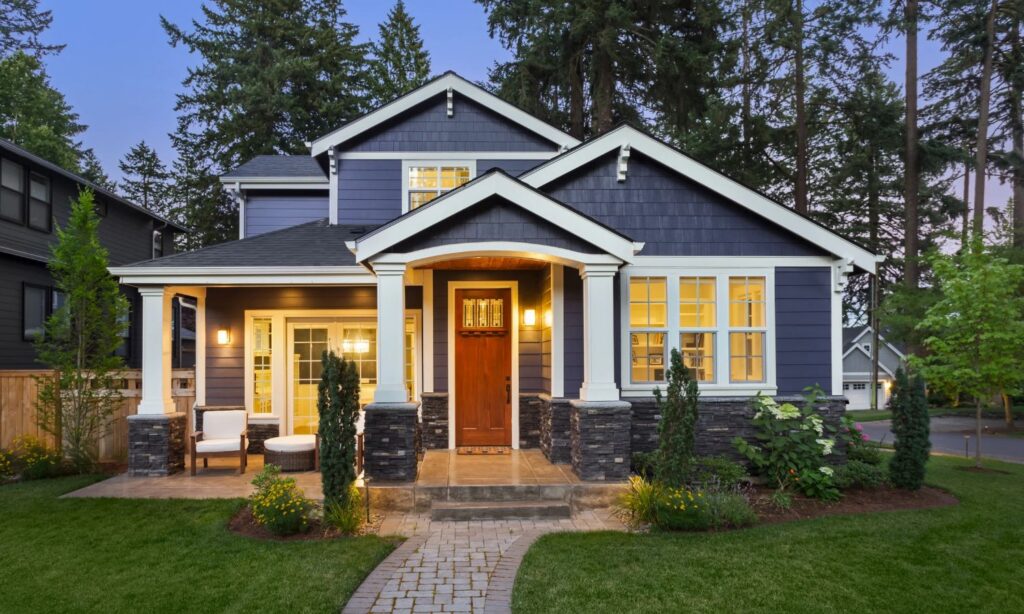
You’ve cleaned, prepared for showings, and waited for an offer. Perhaps you’ve already lowered your price once. When your home still hasn’t sold, another reduction can feel discouraging—especially when you know how much you’ve invested in the property.
The next step is an honest review of what buyers are seeing and choosing. Before making another change, work with your Post Falls Realtor to understand whether your home needs better presentation, easier access, a more competitive price, or a combination of adjustments.
You Choose the Asking Price. The Market Determines What It Will Support.
Your home holds memories, effort, and personal meaning. Those things matter to you, but buyers evaluate the property against the other homes they can purchase.
What you paid, what you spent on improvements, and what you need for your next move can shape your goals. They don’t establish today’s market value. A renovation you loved may appeal to buyers without adding its full cost to your sale price.
The National Association of REALTORS® explains that home pricing depends on property characteristics, comparable homes, and current market conditions. Your agent uses that evidence to recommend a price; you decide what to ask.
It’s natural to hope the right buyer will appreciate your home as much as you do. The problem comes when that hope overrides a consistent pattern of buyers choosing comparable properties at better value. Lowering your price in response to that evidence is a practical decision that can help you move forward.
Post Falls Home Not Selling? Start With Your Closest Competition
A broad North Idaho market headline won’t tell you exactly how to price your property. Your review needs to focus on homes buyers would realistically consider instead of yours.

For a Post Falls home, relevant differences might include lot size, age, condition, garage capacity, layout, outdoor space, and location. A nearby property with substantially different features may offer little guidance, even if its asking price is appealing.
Ask your agent to explain three groups of properties:
- Recently sold homes: What buyers actually paid, with differences in condition and features considered.
- Pending homes: Which competing properties attracted an accepted offer. Their final sale prices may not yet be available.
- Active listings: What buyers can choose today, including any price changes or advertised incentives.
Active asking prices are competition, not proof of value. Another seller can overprice a home too. Pay particular attention when similar properties go under contract while yours continues to sit.
Janna McRoy can help you evaluate how your home compares with the Post Falls properties competing for the same buyers. A custom home value report provides a starting point for that conversation.
Review Where Buyer Interest Is Dropping Off
Ask your agent to review the path from online attention to showings, second visits, and offers. Each stage can help identify what needs a closer look, although no single number proves the cause.
If your listing receives little attention, review its price, lead photo, property details, and distribution. If buyers view it online but rarely schedule a showing, consider whether the presentation communicates enough value at the asking price. Also check whether appointment restrictions are creating obstacles.
If buyers tour but don’t return or offer, examine the in-person experience and the alternatives they’re choosing. The home may feel different from its photographs, require more work than expected, or simply cost too much relative to comparable options.
There is no universal number of showings that guarantees an offer. Evaluate your activity alongside similar listings, your time on the market, and the amount of qualified buyer activity in your price range.
Listen to Showing Feedback—and Make Useful Changes
Feedback can be uncomfortable when it concerns a home you love. Treat it as information about a potential sale rather than a judgment of your taste or the care you’ve given the property.
One buyer’s opinion may reflect personal preference. Repeated comments deserve attention. If several visitors describe the home as dark, crowded, or in need of work, discuss what you can reasonably change.
Ask your agent to seek specifics when feedback is vague. “Too much work” could mean worn paint, dated finishes, or concern about a major system. Those concerns call for different responses.
Some objections can be addressed directly. You might improve lighting, remove oversized furniture, or complete a visible repair. Others involve features you cannot change, such as the lot or floor plan. In those cases, your price needs to account for how buyers perceive the property.
Not every showing produces detailed feedback. Use what you receive alongside buyer behavior and comparable sales. Compliments without offers can still leave an important question unanswered: does the home offer enough value at its current price?
Make Sure Your Home Shows as Well as It Can
Walk through your home with your agent as though you were seeing it for the first time. Look at the entry, room flow, cleanliness, lighting, and visible maintenance needs.

Start with practical improvements: clear counters, clean windows, address odors at their source, and arrange furniture so buyers can move comfortably through each room. Give each space a clear purpose and make important features easy to see.
In its consumer guide to home staging, NAR reports that 83% of buyers’ agents surveyed for its 2025 staging report said staging helped buyers envision a property as their future home. That is national survey feedback, not a promise about your selling price or timeline.
Set a sensible budget with your agent before spending money. A modest presentation improvement may be worthwhile; an expensive remodel may not be. Even excellent staging cannot guarantee that buyers will accept a price above what comparable homes support.
Check Whether Your Marketing Matches the Property
Open your listing on a phone and view it the way a buyer would. Does the first photograph make a strong, accurate impression? Do the remaining images explain the layout and highlight useful features? Are the property details correct?
If you’ve improved the home since the original photos were taken, discuss updating the images. Buyers should be able to see the changes. Photos should also represent the home honestly so the showing experience matches expectations.
NAR’s guide to marketing your home describes professional photography, MLS exposure, showings, and competitive pricing as parts of a marketing strategy. Review how those pieces are working together for your listing.
More promotion may help an underexposed home reach buyers. If buyers are already seeing and touring yours but consistently choosing better-priced alternatives, additional advertising alone may not solve the problem.
Make It Practical for Buyers to Visit
Showing a home while living in it takes effort. Still, narrow appointment windows, lengthy notice requirements, or repeatedly declined requests can make it harder for interested buyers to see the property.
Review your showing arrangements with your agent. Look for reasonable ways to improve access while respecting your schedule and following the agreed security procedures.
Prepare consistently for visits, including comfortable lighting and temperature. When practical, arrange to be away so buyers can discuss the home freely with their agent. Better access creates opportunities for a sale, but it does not replace competitive pricing.
When a Price Reduction Is the Right Next Step
If your home is well presented, accessible, and properly exposed, but comparable properties keep attracting buyers while yours does not, take the pricing evidence seriously.
An earlier reduction may not have brought your home into a competitive range. The fact that you’ve already lowered the price doesn’t establish that the new price is right. Ask your agent to explain the recommended adjustment using current comparable properties and buyer response.
Avoid choosing a small reduction solely because it feels easier emotionally. The change should have a clear purpose: positioning your home more competitively among the options buyers are considering.
Also compare realistic net proceeds and timing. Continuing to hold the property brings mortgage, tax, insurance, utility, and maintenance expenses. Review those costs without assuming a reduction will guarantee an immediate sale.
Turn Your Review Into a Clear Plan
End your conversation with specific actions and a date to review results. Identify which presentation or access issues you’ll address, whether your marketing needs updating, and what price the current evidence supports.
If you’re dealing with a Post Falls home not selling, request your custom home value report and connect with Janna McRoy to review your next move. You deserve clear guidance on what to improve—and an honest conversation when the market is telling you it’s time to adjust your price.